Creative process · 8 min read
Building a creative process we can repeat
How I connect research, creative judgment, AI and automation. Two visual examples, the decisions they require, and the work that remains open.
An image can work well on its own and feel out of place beside the others. A video can be engaging and lead to the wrong interpretation. When the work includes writing, images, motion and several channels, an intention has to hold across all those pieces. That is the part I want to give some order to.
With Altura and Fractalis, we have worked from different starting points: an editorial direction that needs visual expression, and a collection of artworks we want to show in other contexts. I draw on parts of both processes here to explain how I research, decide, produce and prepare work for use. AI enters at several stages; automation connects operations we can repeat with clear rules.
The method is still developing. There are decisions we can retain and tasks we can reuse. There are also results that send us back, quality problems, and questions about how much to settle before we keep exploring.
A sequence that lets us go back
- 01DefinePurpose, audience and intention
- 02ResearchReferences and starting material
- 03ExploreWriting, images and motion
- 04ReviewCompare, correct or discard
- 05PublishFormat, context and channel
- 06ObserveQuestions, uses and adjustments
1. Give the piece a purpose
I start with a concrete question: what should this piece help someone do? Understand an idea, imagine a use, recognize a product or decide whether to continue. That purpose guides the format, tone and amount of information. It also helps us decide what to leave out.
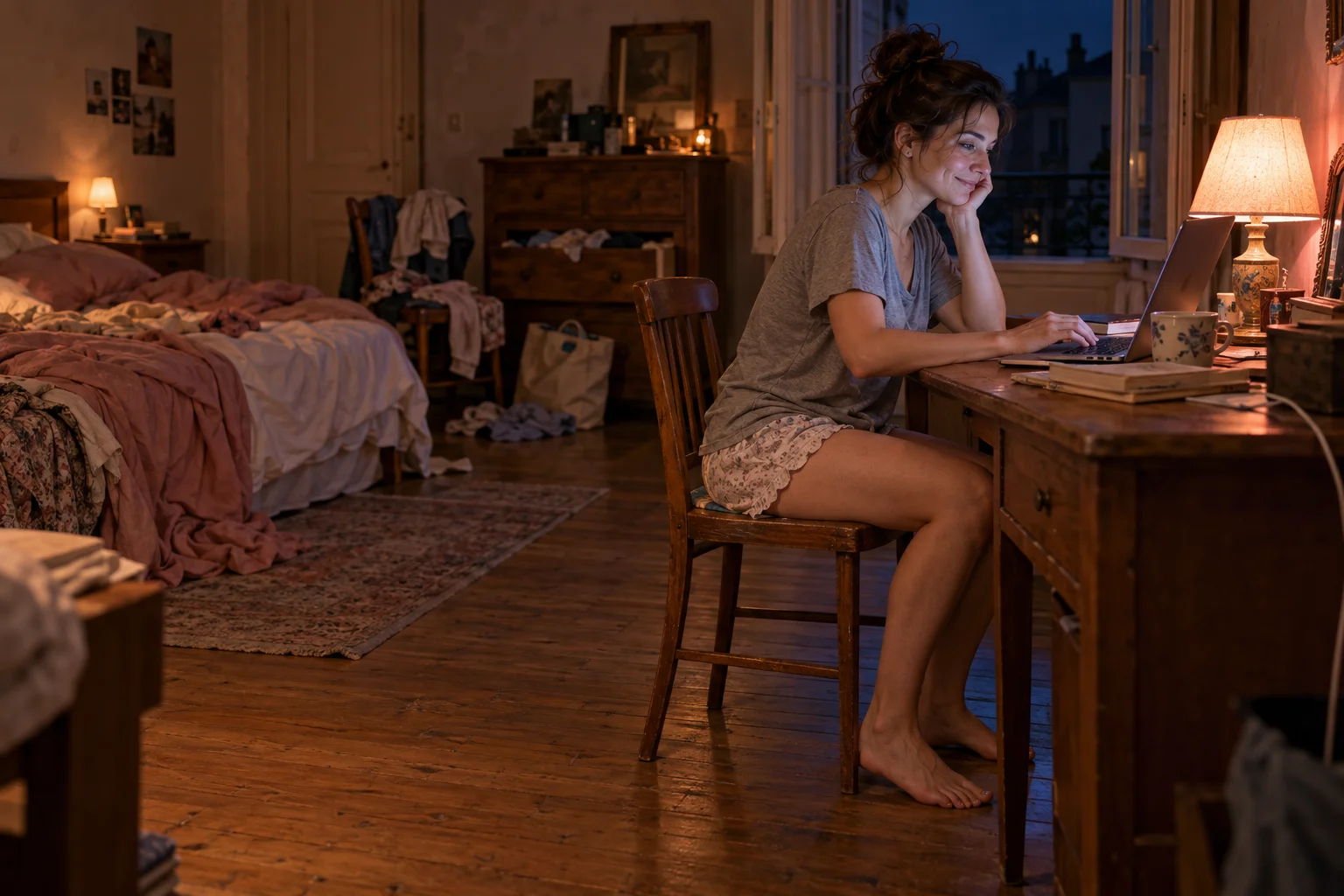
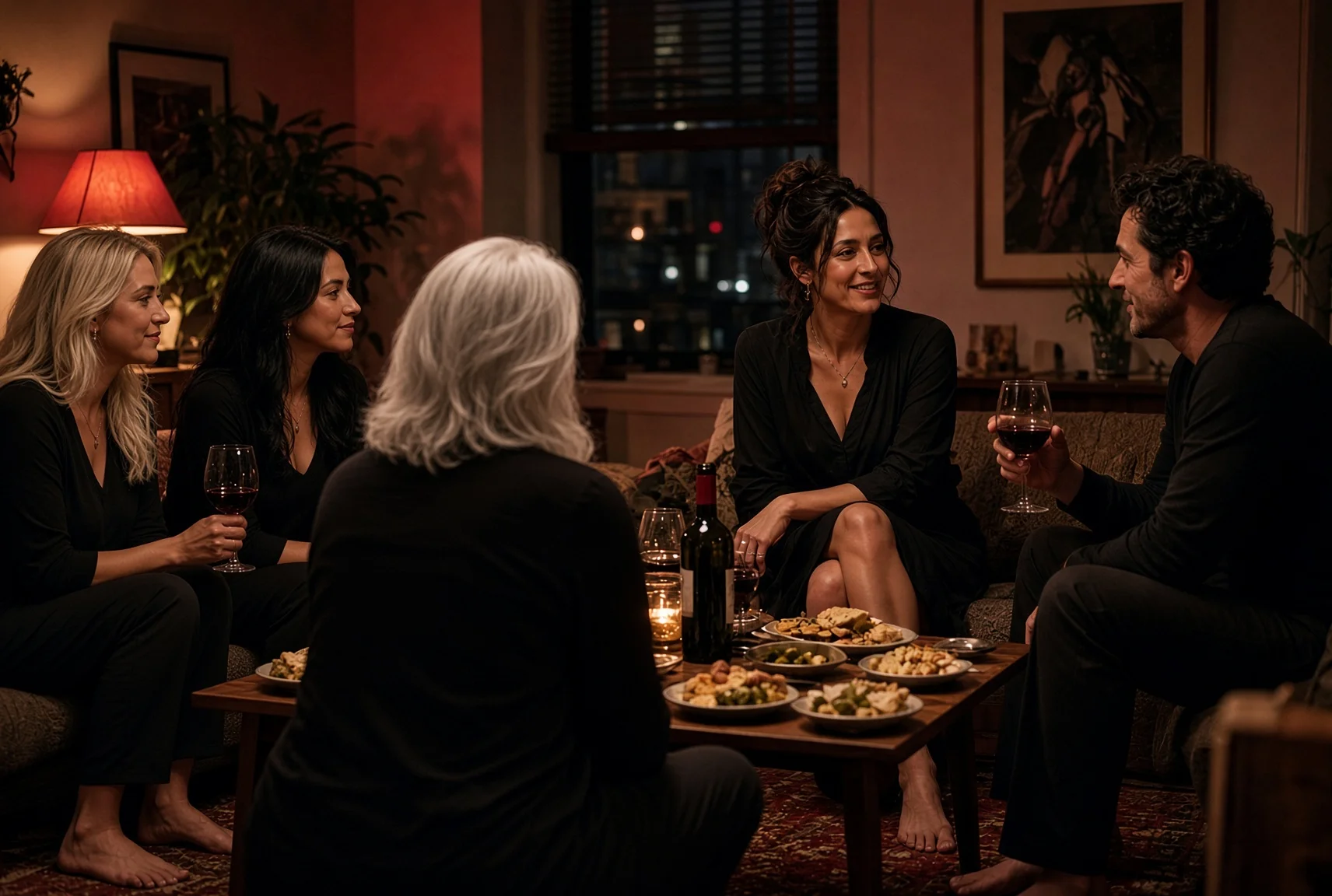
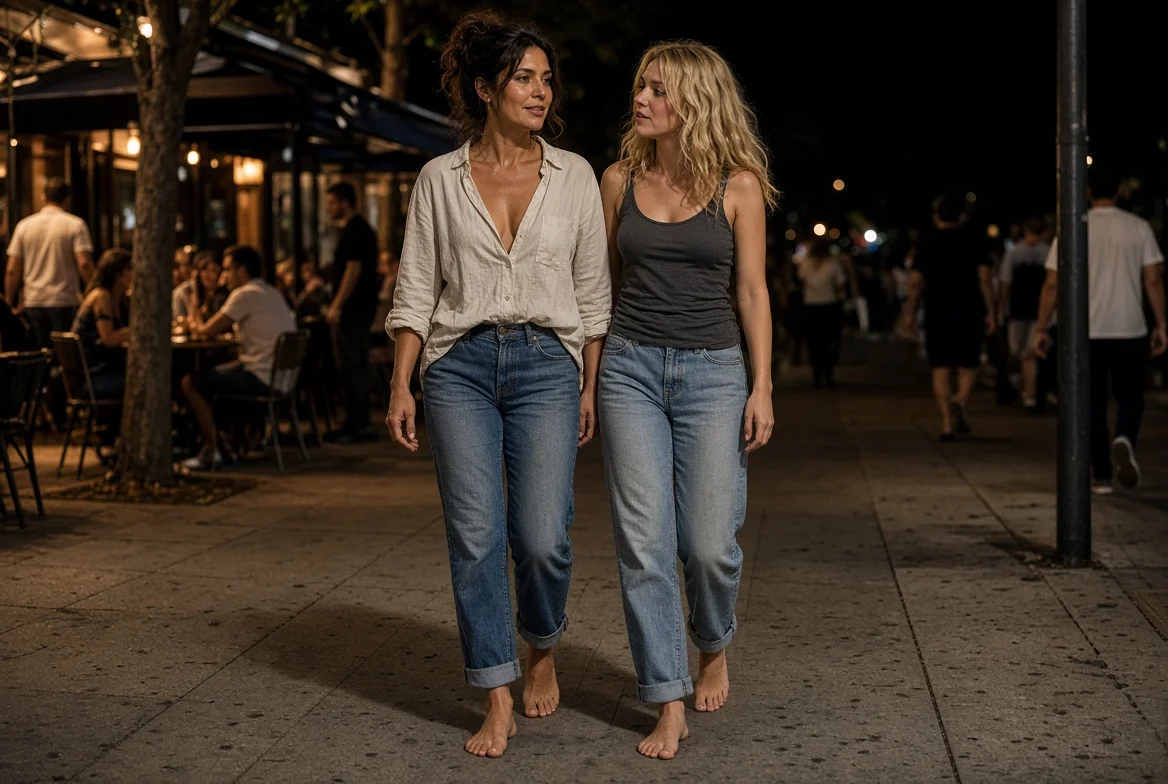
At Altura, intimate scenes with devices sit alongside people coming together. They belong to an editorial direction around pleasure, intimacy and AI relationships. The setting, light, expression and age of the people pictured all contribute to that reading. A family of images needs enough shared decisions to feel connected, with enough variation for each scene to add something.
I write those decisions down as a working reference: the feeling we want, the elements that matter, and the signs that would make us reject a result. We can revise it after seeing the first tests. Its value is giving us a basis for discussing something more precise than “I like it.”
Altura · One direction, different scenes
2. Research before multiplying
Research in this process is visual and contextual. It brings references together, reviews the available material and asks what the audience needs to understand. A reference may offer lighting, scale or composition. Identifying what we are taking from it allows us to change the rest deliberately.
We also organize the starting material. At Fractalis, Kharolys Naranjo’s artwork retains its identity when we represent it in a room or use it as the starting point for a sequence. That distinction stays with the work: the artist provides the artwork; we develop its presentation, context and the motion around it.
I work with ChatGPT to explore approaches, clarify instructions and find inconsistencies between the references and what we are asking for. Generation tools let us test representations. Each time, we need to return to the reference material and check what stayed, what changed, and whether that change helps. Addressing a deviation early keeps us from carrying it through an entire series.
3. Produce, compare and decide again
An initial test turns the intention into something we can examine. From there, we select, correct and produce the variations we need. The process allows us to go back: an image may force us to clarify the concept; a motion test may reveal a composition problem that a still frame concealed.
At Fractalis, Seas brings together several related outputs: the original artwork, an interior visualization, and a video of about fifteen seconds that moves closer to the piece. Each output has its own adjustments to representation and framing. The space helps someone imagine a presence and a scale. We present it as a conceptual visualization; the original artwork remains available so the two can be distinguished.
Review continues when preparing playback. That video ends on a different view from its opening frame. Repeating it in a loop would create a jump, so the presentation uses manual playback. A characteristic of the material ends up changing the way we deliver it. It is a small decision connecting production with the viewer’s experience.
Fractalis · Artwork, context and motion
01The artwork
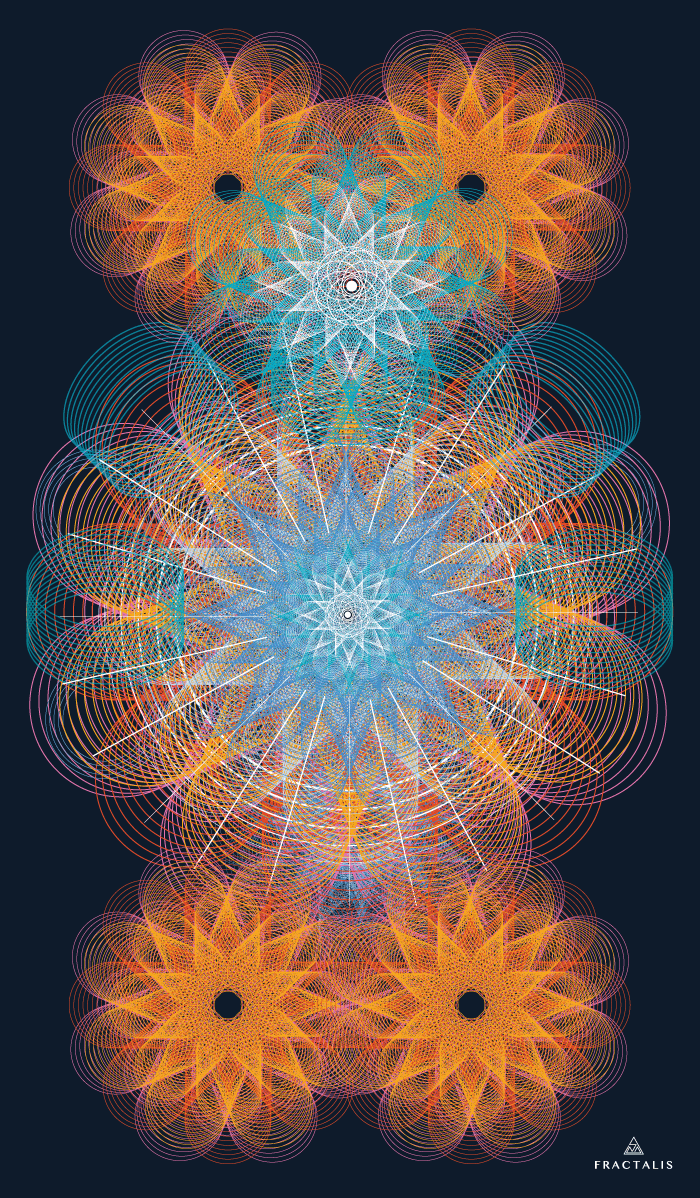
Seas · Kharolys Naranjo / Fractalis
02The context
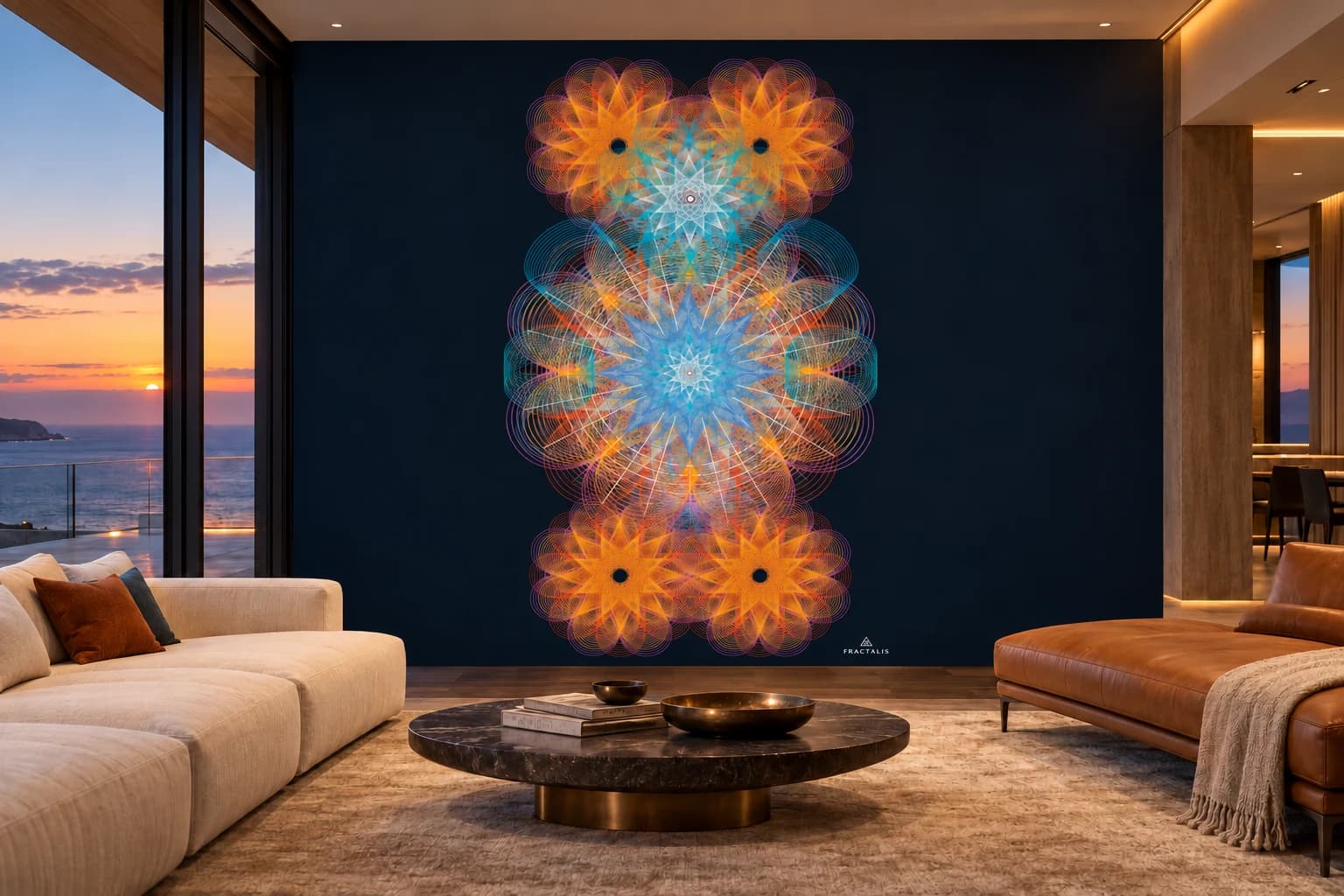
Conceptual interior visualization
03The motion
15 seconds · Silent. The camera moves through the space toward Seas. Manual playback: the closing frame differs from the opening one.
4. Keep decisions and automate operations
When an operation has inputs, rules and a result we can verify, we can put it into a repeatable workflow. Converting files, preparing web versions or connecting an image with its destinations are good candidates. Choosing a scene and approving it require a different kind of review.
At Altura, we retain the originals and prepare files for use on the web. Some images are shared between the home page and product pages, in Spanish and English. Keeping that correspondence lets us update the material consistently. The visual direction can evolve without rebuilding every use separately.
AI helps propose and transform; automation carries out defined operations; we check the result and take responsibility for the decisions. For that combination to work, the process needs to retain the approved reference, recognize which version it is using, and stop when an input is missing or a check fails.
What each part contributes
- 1.Human judgment
- Set the intention, choose references, select, correct and approve.
- 2.AI
- Explore approaches, develop instructions and generate visual or written proposals.
- 3.Automation
- Repeat defined operations: prepare formats, retain versions and connect destinations.
5. Separate the initial investment from later savings
Organizing a workflow takes time: testing, naming files, defining formats, correcting rules and documenting decisions. That investment can weigh heavily on the first delivery. Its value appears in later ones, when we can recover what we already resolved and concentrate on what has changed.
The savings I am interested in come from specific operations: preparing another version from the original, maintaining a shared image across several destinations, or recovering a decision without reconstructing an entire conversation. Putting a number on that requires comparing equivalent tasks, including review and corrections. The speed of generating a file accounts for only part of the work.
Other benefits matter too: keeping pieces coherent, knowing where each version came from, and being able to resume the process. There is maintenance as well. Tools, formats and project needs change. A useful workflow has to let us revisit its rules at a reasonable cost.
6. Make the limits visible
An output can meet every instruction and feel bland, predictable or detached from the voice we want. That result calls for another editorial round: examining what the piece expresses and revisiting the decisions that brought it there, even as far back as the concept. Checking constraints covers part of the review. Sometimes the decision is to discard work that took effort to produce.
Repetition raises another dilemma. Shared criteria can give a series its identity and, applied too early, close off interesting possibilities. I leave room to revisit the direction when the results justify it. Visual examples also let us discuss where a variation enriches the work and where it pulls it apart.
Some questions remain open: how much detail to keep from each attempt, when a correction deserves another round, and how to recognize that automating a task is moving effort into review. These are working problems worth naming as we adjust the process. Frustration appears when an operation seems settled and comes back demanding attention.
7. Publish so we can learn
Delivery connects the pieces with actual use. An article, image or video needs its context, its format and a clear way to continue. Afterwards, we can observe what people understand, what raises questions and what needs adjusting. Publishing opens another turn through the process.
Altura and Fractalis let us examine that method through different materials. Both involve an intention to define, references to review, decisions about authorship and representation, versions to prepare, and a result to put in front of other people. The tools and the route change according to what we are trying to do.
That is the process I want to keep developing: retain what we have learned, reduce operations we repeat, and make room for decisions that deserve attention. The next delivery should be able to benefit from the previous work while questioning some part of it.
Working through a similar process?
If you are connecting research, visual content and production, tell me what you are trying to resolve and where the work gets stuck. We can explore how to shape a process you can sustain.
Let’s talk about your process